Introduction
In the intricate world of medical care, making certain that clients receive sufficient nourishment is extremely important. For people who can not take in food by mouth due to clinical conditions, Percutaneous Endoscopic Gastrostomy (PEG) feeding offers an important option. But exactly how do medical care professionals change from theoretical understanding to sensible application? This post discovers "From Concept to Method: Practical Abilities in PEG Feeding Training," diving into the significance of training programs such as NDIS PEG feeding training and enteral feeding support training courses.
What is PEG Feeding?
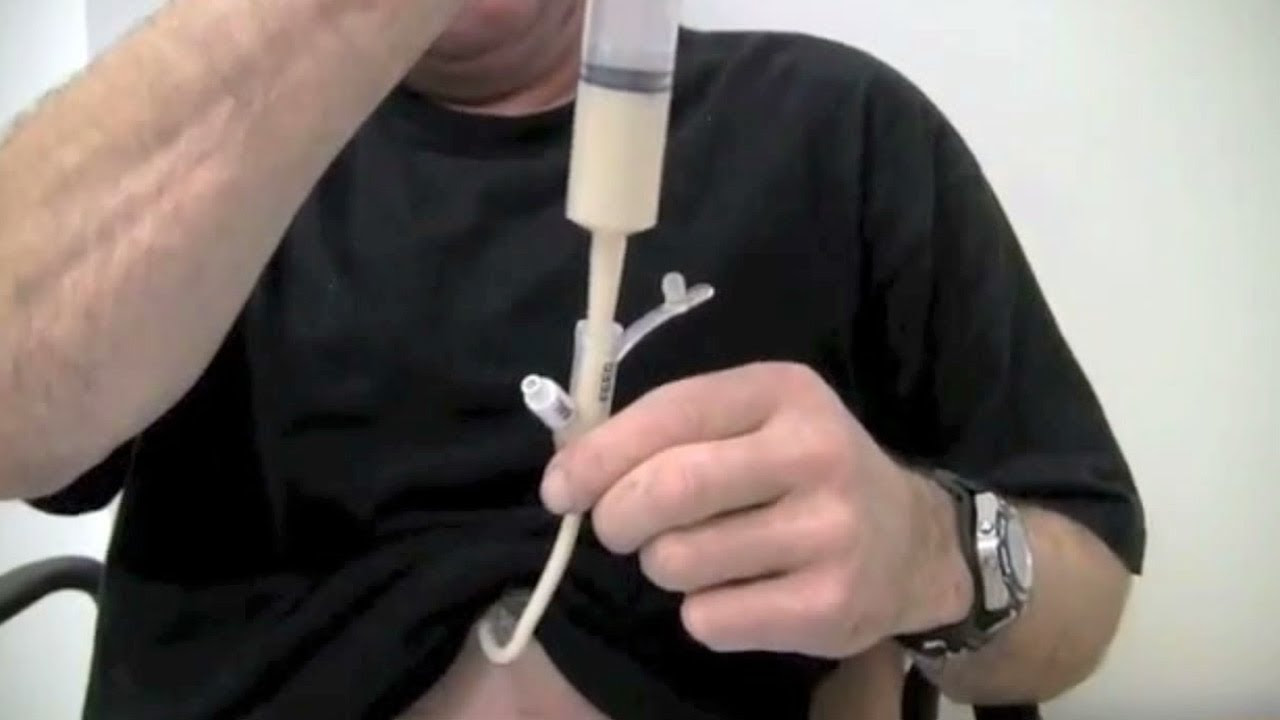
PEG feeding includes positioning a tube straight right into the belly via the abdominal wall, allowing for nutritional assistance when oral intake isn't feasible. This form of enteral nourishment can be essential for patients with different medical conditions, consisting of neurological disorders, cancers cells affecting ingesting, and extreme body organ dysfunction.
The procedure requires a number of stages:

- Patient Assessment: Reviewing the individual's requirement for PEG. Procedure: Inserting the tube under endoscopic guidance. Post-Procedure Care: Making certain appropriate feature and handling complications.
Understanding these facets creates the structure of efficient PEG feeding training.
The Importance of PEG Educating for Medical Care Professionals
Understanding Enteral Nourishment Support
Enteral nutrition assistance is crucial in various clinical setups. As healthcare providers encounter clients requiring PEG feeding more regularly, recognizing the complexities included becomes increasingly crucial. Enteral feeding makes sure that people receive required nutrients while decreasing the risk of poor nutrition and its associated complications.
The Function of NDIS PEG Feeding Training
The National Special needs Insurance policy Scheme (NDIS) supplies tailored training programs developed specifically for support workers associated with care distribution. NDIS PEG feeding training emphasizes both academic expertise and sensible skills, making certain that specialists are prepared to take care of complicated patient needs effectively.
Benefits of Peg Educating Courses
Peg training programs offer a structured approach to mastering crucial skills:
- Hands-On Experience: Individuals obtain useful exposure. Expert Guidance: Gain from skilled clinicians. Certification: Achieve qualifications that improve specialist credibility.
Key Components of Effective PEG Feeding Training
Curriculum Overview
An efficient educational program integrates various elements:
Basic Anatomy and Physiology Indications for PEG Feeding Insertion Techniques Complications Management Patient EducationThis detailed technique not only outfits individuals with the essential skills yet also fosters a deeper understanding of individual treatment nuances.
Theoretical Expertise vs Practical Application
While academic expertise provides a foundation, sensible application solidifies learning:

- Simulation Training: Making use of mannequins or simulated atmospheres enables students to exercise without risk. Real-Life Scenarios: Involving with real cases promotes essential thinking and improvisation.
From Concept to Technique: Practical Abilities in PEG Feeding Training
Effective changes from concept to exercise call for a focus on vital skills that ensure risk-free and efficient client treatment:
Insertion Techniques: Proficiency over various approaches of tube insertion enhances confidence. Feeding Regimens: Comprehending various formulas and management approaches guarantees optimum nutrition. Monitoring: Routine analysis techniques assist recognize potential complications very early on.Enteral Feeding Assistance Program Overview
Structure of Enteral Feeding Support Courses
These programs typically cover:
- Fundamentals of enteral nutrition Tube positioning techniques Managing complications Cultural considerations in person care Patient education methods
By joining enteral feeding support courses, professionals acquire vital understandings into delivering detailed care.
Peg Training for Nurses and Support Workers
Specialized Educational program for Nurses
Nurses play a critical role in taking care of enteral feeding systems. Their training usually consists of advanced topics such as:
- Patient analysis methods Interdisciplinary cooperation Advanced troubleshooting
Peg Training for Assistance Workers
Support employees must comprehend both practical abilities and psychological facets of individual treatment, focusing on:
- Supporting clients emotionally throughout changes Educating families about home treatment post-discharge
Best Practices in PEG Feeding Management
Establishing Guidelines
Healthcare centers ought to develop clear standards outlining best methods for managing patients with PEG tubes:
Regular assessments Monitoring hydration status Preventing infection at insertion sitesThese guidelines make certain consistency throughout care teams.
Communication Among Team Members
Effective interaction among employee considerably impacts patient outcomes:
- Regular interdisciplinary meetings Use of standard documents practices
The Duty of Modern technology in Enhancing Learning Experiences
Technology plays a progressively important duty in instructional setups, permitting:
Virtual simulations Online resources and information sharing Remote mentoring chancesThese developments enhance finding out experiences by supplying diverse instructional tools.
Addressing Common Obstacles Encountered Throughout PEG Feeding Training
Managing Problems Effectively
Common problems include tube dislodgment or blockage, which can lead to major concerns if not addressed promptly:
Ensure personnel is educated on acknowledging signs early. Implement procedures for instant response.Emotional Difficulties Dealt with by Patients
Transitioning to PEG feeding can be frustrating for people; for that reason, offering emotional assistance throughout this process is essential:
Develop empathy through role-playing exercises throughout training sessions. Encourage open conversations regarding fears with clients and their families.FAQs About PEG Feeding Training
1. What certifications are needed for entering peg training courses?
Most peg training courses call for participants to have standard health care certifications or experience working in relevant areas such as nursing or individual assistance work.
2. The length of time does a common peg feeding course last?
Typically, peg feeding programs last anywhere from one day up to a number of weeks depending upon the deepness of material covered and whether they consist of functional assessments.
3. Are there qualification options readily available upon completion?
Yes! Numerous organizations offer certificates upon effective completion of peg feeding training courses which can boost your expert credentials significantly.
4. What are some common problems associated with peg feeding?
Common difficulties may consist of infection at the insertion website, tube dislodgment, desire pneumonia due to incorrect placement or administration issues.
5. Can relative be trained alongside medical care providers?
Absolutely! Household participation is urged considering that they typically play an important function in recurring client treatment complying with discharge from health center settings.
6. Just how commonly must analyses happen after starting peg feedings?
Regular evaluations need to take place daily at first up until supported; after that once a week checks are advised unless adjustments occur necessitating more frequent evaluations.
Conclusion
In verdict, transitioning "From Concept to Method: Practical Abilities in PEG Feeding Training" envelops a necessary element of contemporary health care education focused on enteral nutrition support methods like those located within NDIS peg feeding training programs or detailed enteral feeding support programs tailored especially toward registered nurses & & support employees alike! By accepting this all natural method-- stabilizing concept with hands-on competence-- healthcare practitioners are fully equipped not just practically but also mentally sustaining their individuals throughout every stage-- from initial insertion all the way with lasting management guaranteeing optimum quality-of-life elements remain intact moving forward!
This post has actually checked out different aspects surrounding practical skills advancement relating specifically in the direction of efficient distribution mechanisms surrounding important interventions like percutaneous endoscopic gastrostomy (PEG) feedings! Whether you're taking into consideration signing up right into corresponding https://jaidenyyfc434.lowescouponn.com/peg-feeding-support-training-course-empowering-caregivers-and-support-workers trainings yourself or just seeking enlightenment concerning approaches being used today-- you currently have invaluable knowledge paving pathways towards future successes!